Tuesday, February 26, 2013
1. the use of nuclear energy comes with lots of waste. and, we have no where to put the waste so we put it in the ground. however, this tactic can be very usefull, but it can also be harmfull to the environment. it would be a disaster if it were to contaminate our ground water. it can also cause cancer if inhaled, or if you are in any other way exposed to it.

COLORES | New Mexico's Nuclear Enchantment | New Mexico PBS
 1. New Mexico's Nuclear history has costed New Mexico some beautiful natural landscape. Although I think that the pros of making the nuclear weapons could be easily outnumbered by the cons of making nuclear weapons. The natural environment is affected. The waste to store these products seems unnecessary to produce such vast amounts of. Some of the cons of nuclear weapons on the environment could be that the environment is greatly affected by the radiation that is left over. The radiation that can affect all that surrounds it. The animals, vegetation, and the humans that could live near by. The radiation last for a long time in the place wear the nuclear weapon was detonated.
2. New Mexico's Nuclear history has costed life that dies by the hand of our nuclear history. The lives of thousands innocent Japanese have been taken due to the fact of our nuclear history. The pro's of the cost of life is probably one and ONLY on pro that could come out of the cost of life through our history is that the surrender of the Japanese. The fact that we had to use a second bomb to attract the idea of surrender to the Japanese is amazing. The cost of life through our nuclear history has been that our wild life that has been living in the areas that we've tested the nuclear experiments have costed there lives too.
3. Military Spending vs. Humanitarian and/or Social Aid. The fact that a few missiles could people off the streets and could benefit most of New Mexico. The weapons could alone by them selves could give all of New Mexico's sports teams new jerseys that they could have. The weapons could feed the homeless too. The weapons, TV guided missiles, jets, fighter jets, stealth bombers, and many more weapons could feed all of new Mexico for a year. These examples that where given, are just amazing and how easily we could benefit most without the need of all these weapons. The weapons although could very well if we went to war again within this century could keep us protected against the treat of other major countries having access to the same (probably) weaponry that we could have.
Colores
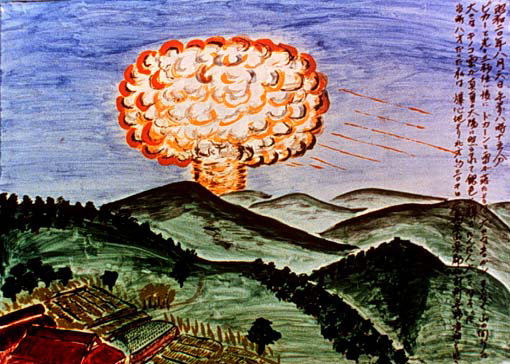
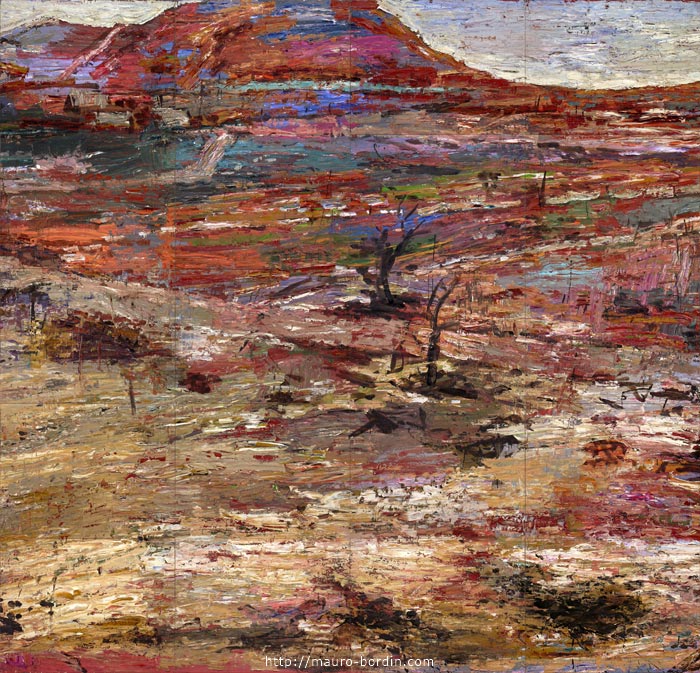
Cost to the environment can be seen on two front's the home front "New Mexico" and Japan. The first home front is New Mexico where we created and tested the first atomic bomb. Now just imagine if the bomb was bigger than expected and killed all of the area farther than we thought. The world would notice and the bomb would have never been dropped and like critics say the Japanese would have never stopped fighting. The cost to japan was destruction and death in the villages wiped out bye the bombs. Art and social issues were and are still a big deal like how that Japanese showed how it was after the bomb with graphic pictures and horrible stories. I noticed that art changed after the bomb and war. They didn't want to offend any people any more as he said they didn't want to start a war. Social class changed and they way people listened to the president and other small things they changed how they handled situations.
Thursday, February 21, 2013
Lives of the Navajo Code Talkers
The Navajo Code Talkers lived troubles lives during their childhood. They were often separated from their parents and sent to boarding schools, such as the Ganado Mission School. There at the boarding schools they faced poor treatment and disrespect for their culture and language. They were punished whenever they spoke their native tongue.
Before World War II, the Navajo language was wanted to be wiped out and obliterated by the American government. After World War II, however, the Navajo language was wanted to be preserved so that it could be used for future purposes.
 About 4,000 Navajo fought in World War II. About 400 were code talkers. These Navajo men fought because they didn't like the fact that Japan attacked their homeland.
Common Navajo words stood for specific letters. The code talkers spelled out messages in this way, and the receiving end translated them back into English. Some words, such as "ground boiler" for "rocket," were used in place of other words. This worked so successfully because it was complicated and alien to the Japanese.
The code talkers were not given a heroes' welcome when they returned home. The American government wanted to keep their work a secret so that they could use it again if needed. Much later in the 60's, the code was declassified, and in the 2000's, the code talkers finally received recognition through Congressional Medals of Honor.
Before World War II, the Navajo language was wanted to be wiped out and obliterated by the American government. After World War II, however, the Navajo language was wanted to be preserved so that it could be used for future purposes.
 About 4,000 Navajo fought in World War II. About 400 were code talkers. These Navajo men fought because they didn't like the fact that Japan attacked their homeland.
Common Navajo words stood for specific letters. The code talkers spelled out messages in this way, and the receiving end translated them back into English. Some words, such as "ground boiler" for "rocket," were used in place of other words. This worked so successfully because it was complicated and alien to the Japanese.
The code talkers were not given a heroes' welcome when they returned home. The American government wanted to keep their work a secret so that they could use it again if needed. Much later in the 60's, the code was declassified, and in the 2000's, the code talkers finally received recognition through Congressional Medals of Honor.
navajo code talkers
 Describe
the life of the Navajo Code Talkers when they were children growing
up.
Describe
the life of the Navajo Code Talkers when they were children growing
up.
- In this
video Keith M. Little who was the code talkers during the ww2 shared
his experience. He was in the boarding school at Ganado Mission
school. He mention that the school copied military displain. The
children were under the strict rules.
Compare
the attitudes toward the Navajo language before and after WWII.
- When he
was in the boarding school if he speaks Navajo language he will be
punish. But during the war, it changed because American get
interested in Navajo language and started using the Navajo language
as a secret code.
How
did the code work and why do you think it was so successful?
-I
think it was successful because the enemies can't figure out if they
are not Navajo.
The
video leaves us hanging....We know the allies won the war, but what
happened to the Navajo Code talkers when they got home from the war?
Were they given a hero's welcome? (Hint: you will need to do some
research of your own)
- in 2000
the Navajo code talkers were recognized for their service and
awarded with medals
Wednesday, February 20, 2013
Navajo code talkers
All code talkers where taken from their homes and raised in boarding schools on their reservation, the schools where stricked and there rules mirrored the rules of the military’s rules excepted with punishment. Students were not allowed to speak there Navajo language, and where punished if they did. As the young code talkers grew older but not too much older many had seen recruiting posters with words printed on them saying; “join the Marine Corps and test you courage”. Many boarding students were willing to join, and with no birth certificate they could easily lie about their age to qualify. By the time all code takers had enlisted there where about 200. The code that the Navajo enlisted soldiers spoke was so complex that an untrained fluent Navajo speaker could not decode it. Because it was so complex it was also very hard to learn. The code started with letters A,B,C, thin from theses simple letters they would make words like ant, barrel, cat, then they would translate the words into Navajo and the letters a, b, and c would be WOL-LA-CHEE, TOISH-JEH and MOASI. The code was never broken. I think the code was so successful because the code was rely two codes in one. It had a language that was not freely advertized or frequently used among the Japanese people, and the code itself untranslated. When the Navajo code talkers returned to the US after the war ended they where warmly welcomed but unrecognized for their grate accomplishments because the government wanted the code kept classified for future use, the talkers where not to say anything. The Talkers where finally recognized in 2000 by President Bush, only 3 out of the 4 still alive could make it due to their old age. Navajo Code Talkers
1. The Navajo code talkers had enlisted with there parents consent to go to war, but some had not. The Children at the boarding schools had been disciplined the same as the discipline in the military. At the Boarding Schools had punished the children if they where attacking up.When there was the attack in pearl harbor there was an anger in the hearts of the children.They had learned that from an elderly lady had taught them that war is horrible.
2. They had used there language with a regular attitude a like the language is apart of who they are.
3.There was about 20 Navajo that Keith Little had been taught with that went to war.
4.I think that it was so successful because the language that the enemy didn't know and even if they did they wouldn't get the message because the couldn't figure what the words meant any ways.

2. They had used there language with a regular attitude a like the language is apart of who they are.
3.There was about 20 Navajo that Keith Little had been taught with that went to war.
4.I think that it was so successful because the language that the enemy didn't know and even if they did they wouldn't get the message because the couldn't figure what the words meant any ways.
Subscribe to:
Posts (Atom)