The Bataan death march is very related to New Mexico because their was so many people from New Mexico. Its remembered in Las Cruces because their was a group from New Mexico that were involved in it.
Their was much less conditions and it was very crappy place to be and the working and the march must have taken a lot out of them.The Bataan survivors are 80-90 years old. I have never talked to a survivor but i want to do the death march in Las Cruces.
Tuesday, February 19, 2013

Bataan death march and New Mexico
New Mexico and Las Cruces remember the Bataan Death March so well was because the 200th coast altialtary of the New Mexico National Guard was there. As we read in class today, the video repeats that 1800 men went out to the war and only 900 came back. Some people have started a Bataan walk that is held on the trail and their you get to meet some heroic men who walked and survived. They tend to be 80-90 years old. as the women said "they wont be with us much longer." some of the challenges that they faced was the food shortage, having up to date weapons, not enough medicine, diseases.
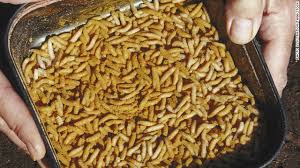
bataan death march foods EWWW!
as they marched through the jungle, the perisoners of war survieved off of descusting foods including maggots, dried incercts, monkeys, rats, phythons and other unemaginable foods.
Living Conditions during the Bataan Death March by Raymond and Eric
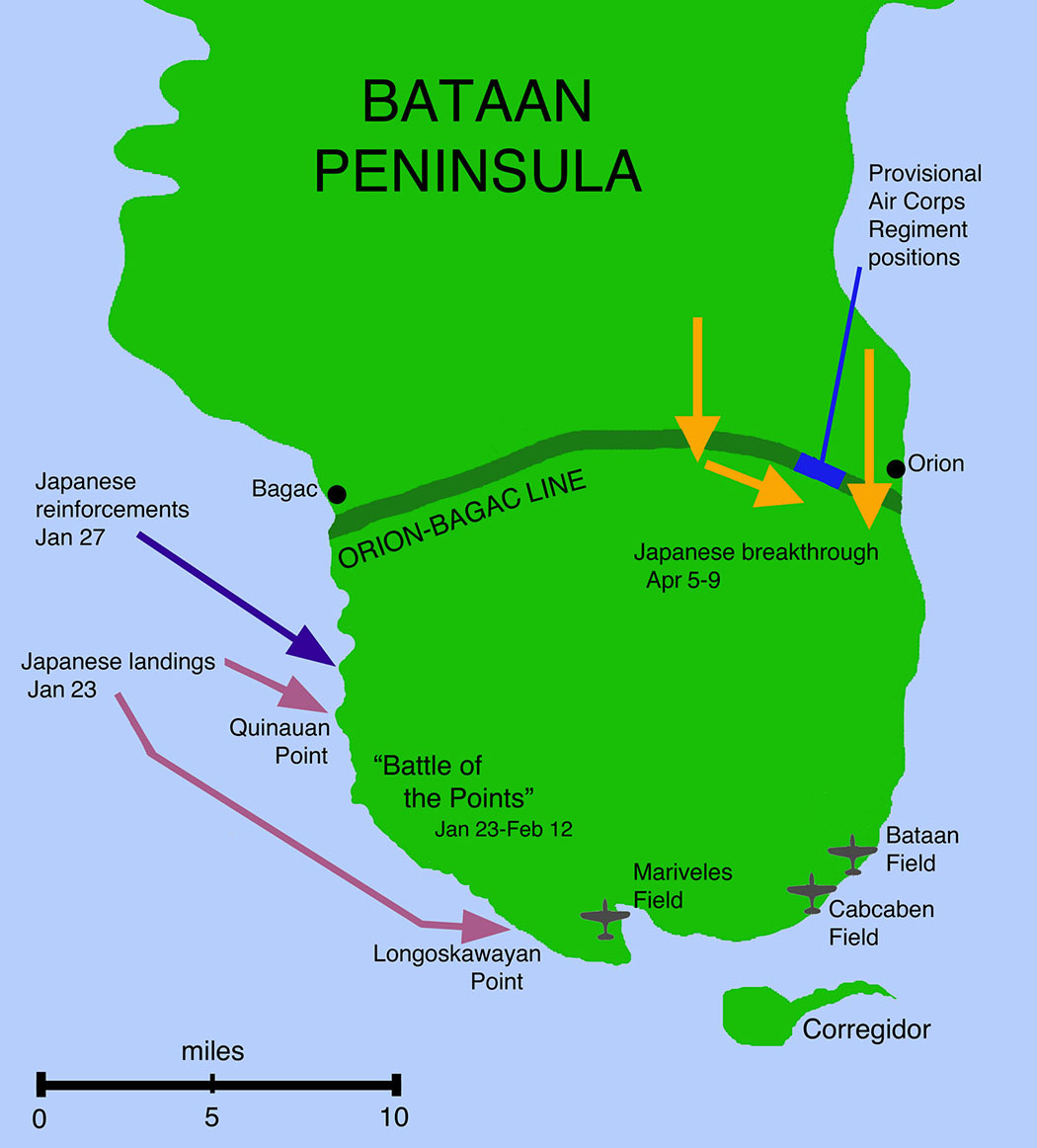 The Bataan Death March and all the events surrounding it gave unsanitary and hazardous living conditions to the people affected by it. These living conditions existed even before General King's surrender of the American troops to the Japanese. During this time period, soldiers typically received less than 15 ounces of rations per day. Their equipment was old and sometimes uneffective. Many diseases were circulating, such as dengue fever, cerebral malaria, and many forms of dysentery. Men on the frontlines had to face worse conditions such as even fewer rations of food, causing them to substitute unconventional foods such as cats, slugs, and monkeys, for their daily nutrition.
  After the surrender, these conditions did not improve at all. In fact, they worsened because they now faced heat, hatred, and brutality that sometimes went beyond beating. For example, the Japanese took and beheaded 350 members of the Phillipine Army. Other instances included using prisoners as artilery screens. In the Death March, if anyone would fall behind, they would face beatings and/or death. When they arrived at their camps, the camps were unsanitary and served unappetizing food. Due to these conditions, many men died.


.jpg)

.jpg)
.jpg)
Health Abe,Ivan,Andje
The main killer was diseases were Typhoid, Malaria,and Fever.The food that would find and eat were slugs,rats,cats,dried insects,python,monkey, an unappetizing diet.That really didn't help their health or stamina. http://www.youtube.com/watch?v=OPlfhVEw-7U

New Mexicans in the War by Ashleigh and Diego
New Mexicans had a small, but a huge part in the war. 18,000 New Mexicans had gone to Bataan and 9,000 had come back to the U.S. The New Mexicans had faced the same problems that the normal American Troops had as well. These Problems had been lack of food, ammunition, out date weapons, and diseases. Nick Chintis cried " It wasn't from fear--it was from humiliation." They felt if they had surrendered they would've let there country down. The American Survivors had been treated horribly walking to the north called the Bataan Death March. The American Troops had been killed, beaten, and abused throughout the March. Once they had arrived they had been treated at the O'Donnell Camp they had been feed rice with Maggots, and "Whistle-weed" soup. They had faced the same treatment along the march there to the POW camp.
Later on once the POWs had been shipped to a different camp in Death Ships they had the same treatment as the camp, but some had been fired on by submarines and had died. When the Americans had arrived they had a little better treatment then at Camp O'Donnell. After the Bomb had been dropped in Hiroshima and the War had ended, the troops where drooped food. Then later the New Meicans that fought in the war had been transported to the US. The New Mexicans had been welcomed with open arms and had a Memorial Built in Santa Fe. The National Guard each year celebrates April 9th as Bataan Day, which is the day of surrender of Bataan.
Later on once the POWs had been shipped to a different camp in Death Ships they had the same treatment as the camp, but some had been fired on by submarines and had died. When the Americans had arrived they had a little better treatment then at Camp O'Donnell. After the Bomb had been dropped in Hiroshima and the War had ended, the troops where drooped food. Then later the New Meicans that fought in the war had been transported to the US. The New Mexicans had been welcomed with open arms and had a Memorial Built in Santa Fe. The National Guard each year celebrates April 9th as Bataan Day, which is the day of surrender of Bataan.
Subscribe to:
Posts (Atom)